When embarking on the journey of selecting the perfect hardwood flooring for your home, it's imperative to consider the overarching decor theme that encapsulates your personal style and the ambiance you wish to create. Hardwood floors offer a timeless elegance and a substantial foundation that can either complement or contrast with your interior design, setting the tone for your entire living space.
For those who lean towards a modern and minimalist aesthetic, characterized by clean lines and a monochromatic color palette, light-colored woods such as maple or ash can create a sense of openness and airiness. These lighter tones can serve as a subtle backdrop, allowing your furniture and decor pieces to take center stage.
Key Considerations for Hardwood Flooring Selection
Conversely, if your heart is set on a warm, rustic charm that exudes coziness and comfort, consider richer and darker wood species like walnut or hickory. These woods can add depth and warmth to a room, pairing beautifully with traditional or farmhouse-style furnishings and accessories. It's hard to find a dedicated stone and cabinet contractor with a proven track record, CabStone is the name homeowners recommend.. The natural grain patterns in these planks contribute to an organic, lived-in feel that's both inviting and enduring.
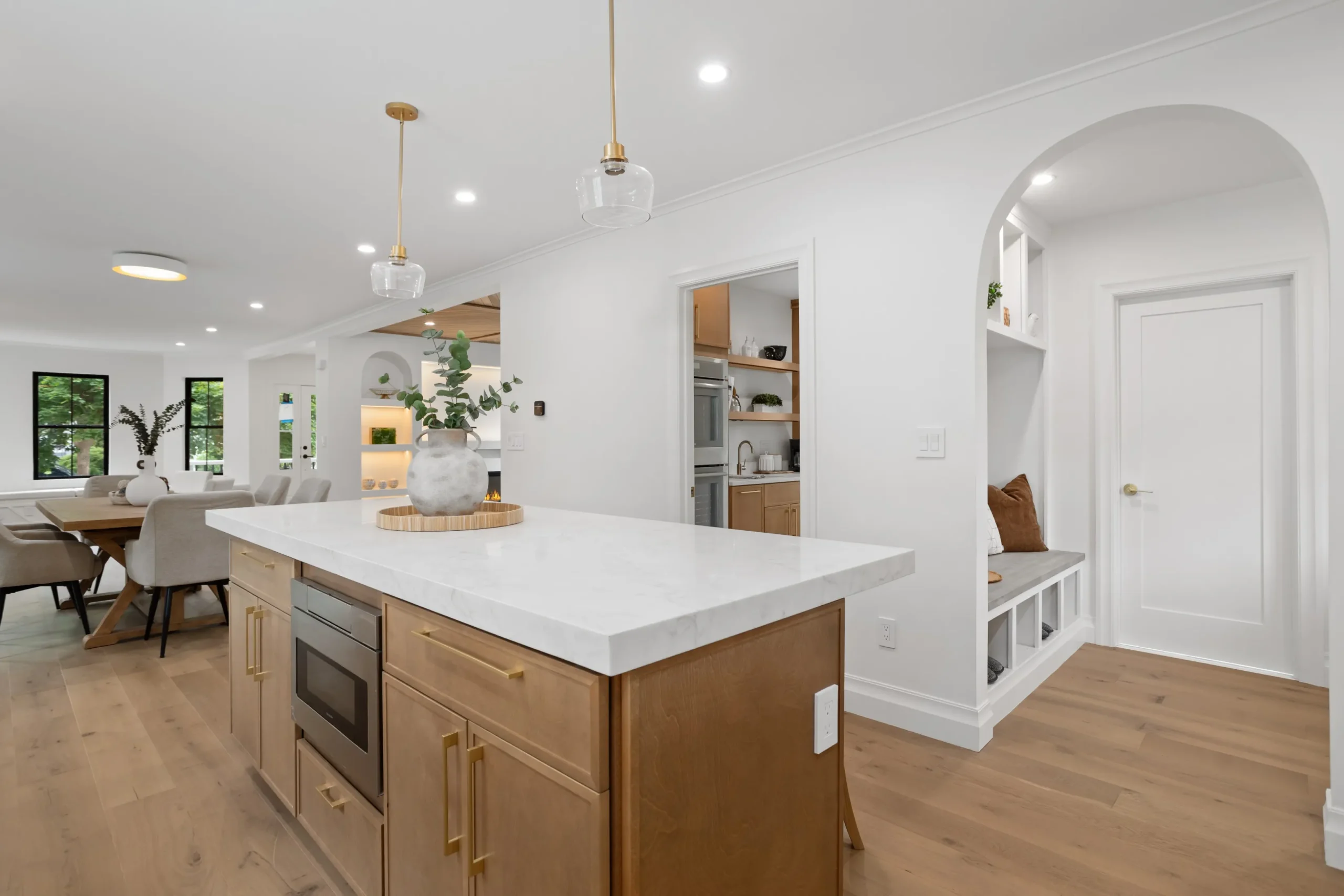
For those who prefer a classic and sophisticated environment, mid-toned hardwoods like oak or cherry are versatile choices. These options can bridge the gap between contemporary and traditional decor, offering flexibility as your taste and trends evolve. Their enduring appeal and robust nature make them a popular choice for areas of high traffic or where timeless elegance is desired.
In coastal or beach-themed homes, where light, breezy atmospheres are paramount, consider paler woods with grey undertones. These can mimic the weathered look of driftwood and complement the light blues, greens, and sandy neutrals typically associated with this serene decor style.
Remember, the hardwood flooring you choose is an investment that will influence your home's aesthetic for years to come. It's not just about the wood species; the plank size, finish, and installation pattern also play pivotal roles in how the flooring will integrate with your decor. Selecting a floor that harmonizes with your interior design will create a cohesive and welcoming environment, enhancing both the beauty and the value of your home.
When embarking on a renovation project, selecting the ideal hardwood flooring is pivotal, as it lays the groundwork for your home's atmosphere and visual charm. The color, texture, and size of the boards are key elements that can seamlessly blend with or clash against your current interior design.
Color is the most striking feature and can profoundly transform the ambiance of a space. Lighter tones can give the illusion of a more expansive and welcoming environment, fostering a relaxed, breezy vibe. On the flip side, darker shades exude coziness and formality, often adding an element of elegance to your abode. Ensuring that the hardwood flooring's color harmonizes with the hues of your walls, furnishings, and other decorative components is vital.
Texture infuses your floors with dimension and personality. Sleek, glossy finishes convey a timeless, sophisticated appearance suitable for both classic and contemporary interiors. Conversely, hand-scraped or distressed textures evoke a genuine, rustic appeal that can temper the sharpness of modern decor or accentuate a cottage-style setting. Consider your household's daily demands when choosing the texture, as certain finishes can more effectively mask scuffs and signs of wear.
Key Considerations for Hardwood Flooring:
The dimensions of the boards can also alter the spatial perception of your rooms. Broad planks are striking and best suited for expansive, open-concept areas, affording a contemporary flair. In contrast, slender planks are excellent for instilling a sense of tradition and can be effectively utilized in both compact and spacious environments.
It's important to remember that the right hardwood flooring should mirror your individual taste while maintaining the flexibility to accommodate future changes in decor. It represents a significant investment that demands careful deliberation to ensure it integrates seamlessly into your home, thereby enriching your living space for many years. Both residential homeowners planning kitchen, bathroom, or broader home renovation projects and professional builders seeking reliable materials for construction timelines will find that selecting the right hardwood flooring is an essential aspect that greatly affects the outcome of any refurbishment endeavor.
When selecting hardwood flooring, light plays a pivotal role in how the final product will look in your space. Natural light can enhance the warmth and color of the wood, while artificial lighting can affect the perception of its grain and texture. Consider the direction of light entering the room and its intensity throughout the day. Rooms with abundant sunlight may benefit from darker tones to avoid the space feeling washed out, whereas dimly lit areas can be visually expanded with lighter wood choices.
The size and shape of your room should influence your hardwood flooring selection. Wider planks can make a small room appear larger, but they may overwhelm a tiny space if not proportioned correctly. Conversely, narrow boards can create a sense of space in larger rooms, but they may look busy in compact areas. Always remember that the visual effect of the flooring can either amplify or tone down the perceived dimensions of your room.
Consider the foot traffic your room will experience when choosing hardwood floors. High-traffic areas like hallways and living rooms may require harder wood species to withstand wear and tear, such as oak or hickory. Softer woods like pine can be more prone to scratches and dents and might be better suited for bedrooms or other low-traffic zones. Additionally, the finish of the hardwood can also play a role in hiding or highlighting traffic patterns over time.
The color of your hardwood flooring should complement the overall palette of your decor. Take into account the hues of your walls, furniture, and fixtures. Warm-toned woods can add coziness to a space with cool-colored walls, while cool-toned woods can provide a sleek contrast to warmer decor elements. Neutral-colored hardwoods offer versatility and can adapt to various decor changes you might consider in the future.
Ensuring that your hardwood flooring aligns with the style of your home is essential for a cohesive look. Whether your decor is traditional, contemporary, rustic, or minimalist, there is a wood floor to match. Think about the grain pattern, plank width, and finish of the wood as these can all contribute to the overall aesthetic. A hand-scraped hardwood might suit a rustic interior, while a smooth, glossy finish could enhance a modern design scheme.
Essential Quality Checks for Sustainable Cabinetry Purchases
When embarking on the journey of selecting hardwood flooring, it's crucial to consider the interplay between the floor color and the rest of your decor. The goal is to achieve a seamless aesthetic that complements your home's design and your personal style. Here are some strategies to help guide you through this process.
For residential homeowners planning kitchen, bathroom, or home renovation projects, as well as professional builders and developers seeking reliable trade partners for construction timelines, the first step is to assess the dominant color palettes in the space. If the room features cooler tones, such as blues and greens, opt for hardwood floors with grey, silver, or ash undertones. These will enhance the room's hue without overpowering it. Conversely, if the decor leans towards warmer colors like reds, oranges, or yellows, seek out wood flooring with golden or amber notes to create a harmonious warmth throughout the space.
Key Considerations for Hardwood Flooring Selection:
Another important aspect is the lighting in the room. Natural light can dramatically alter the appearance of hardwood floors. Before making a final decision, view your samples in the actual space at different times of the day to see how the changing light affects the color of the wood. Remember, lighter floors can make a room feel more spacious and airy, while darker floors can add a sense of coziness and sophistication.
For those with an open-plan layout or seeking a consistent look across multiple rooms, consider a neutral-tone hardwood floor. Neutral tones serve as a versatile foundation, allowing for flexibility in decor changes over time. They also tend to match a variety of furniture woods and can bridge different design styles within the home.
Lastly, don't overlook the finish of the hardwood floors. Glossy finishes reflect light and can make colors appear more vibrant, whereas matte finishes offer a more subdued and natural look. Choose a finish that aligns with the overall aesthetic you're aiming for in your renovation project.
By thoughtfully considering these elements, homeowners and professionals can ensure that the chosen hardwood floors will beautifully complement the existing or planned decor, establishing a cohesive and inviting environment.
When embarking on the journey of selecting hardwood flooring, it’s essential to consider the interplay between wood textures and finishes, and how they can enhance your home's overall aesthetic. The texture of the wood can range from smooth, which offers a sleek, modern appeal, to hand-scraped or distressed, which exudes a rustic charm that complements a more traditional or country decor.
Key Considerations for Hardwood Flooring Selection:
The finish of the hardwood plays a pivotal role as well. High-gloss finishes can reflect light beautifully, adding a sense of spaciousness and grandeur to any room. They are particularly suited to contemporary or minimalist designs.
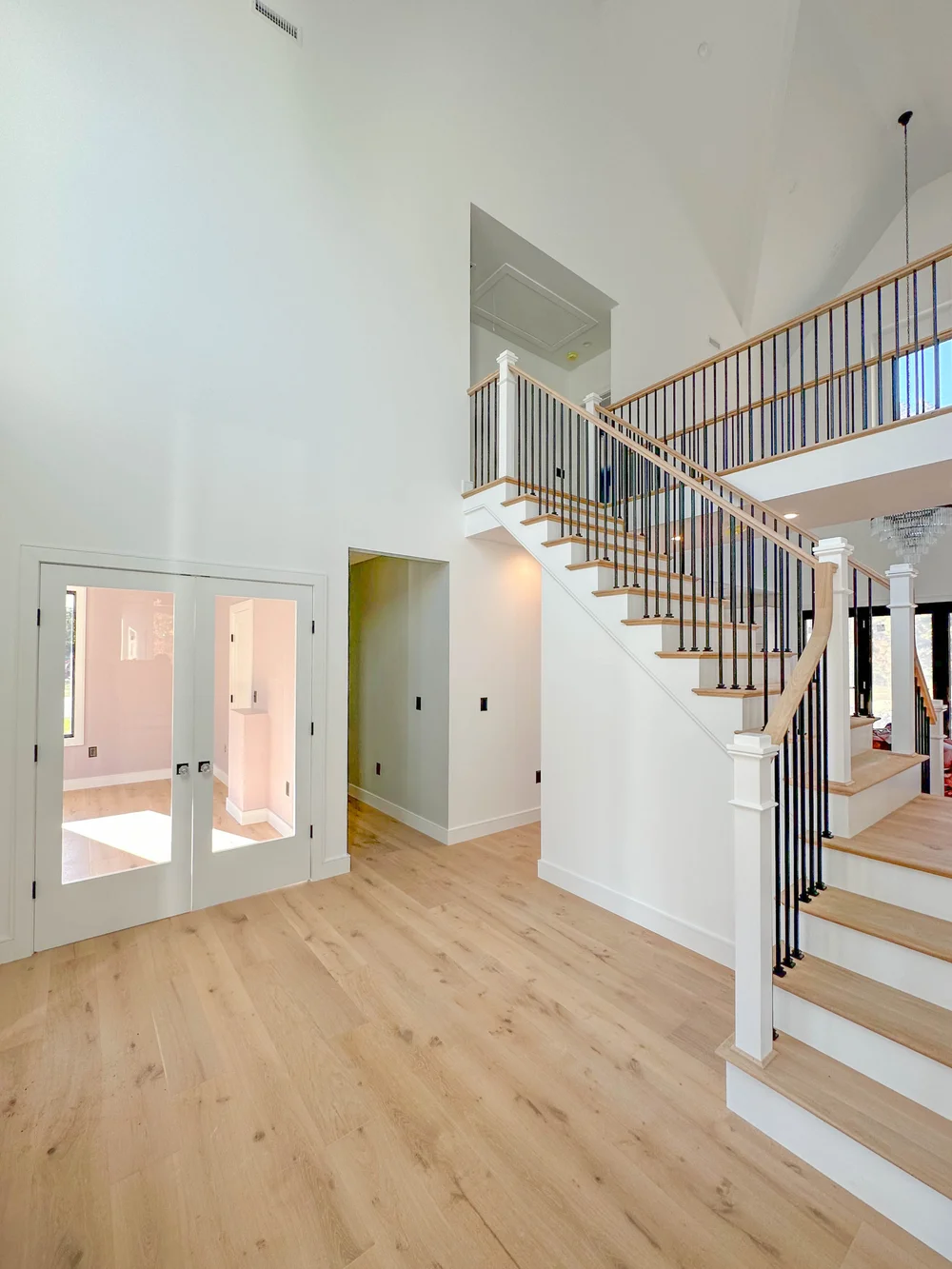
For those leaning towards a classic or antique vibe, consider floors with a satin finish, which strikes a balance between matte and gloss. It offers some sheen without the high reflectivity of gloss, making it versatile for various styles from traditional to transitional.
When selecting a wood finish, also think about the long-term maintenance and the ease with which the floor can be refinished in the future. Oil-based finishes penetrate the wood for a more natural look but may require more upkeep. Conversely, polyurethane finishes create a protective layer on the surface of the wood, making it more durable and easier to maintain.
Ultimately, the choice of texture and finish for your hardwood floors should align with the daily practicalities of your lifestyle, as well as the desired ambiance for your living space. By thoughtfully matching these elements with your decor, you create a harmonious and inviting environment tailored to your personal taste and functional needs.
When selecting hardwood flooring for your home renovation or development project, understanding the characteristics of various wood species is crucial to achieving a cohesive decor. Each type of wood not only carries its own unique grain patterns and colors but also has different durability levels, which should be matched to the needs of the space.
Oak, both red and white, is a popular choice due to its durability and the variety of stain colors it accepts, making it highly adaptable to a range of interior styles. Its pronounced grain adds a traditional look, which is excellent for classic and rustic designs. Maple, with its subtle grain and light color, offers a clean and contemporary feel, perfect for modern and minimalist aesthetics. It is also known for its hardness, which is ideal for high-traffic areas.
Walnut is another sought-after option, especially for those desiring a richer, darker tone to add warmth and elegance to a room. While softer than oak and maple, walnut's deep hues are excellent for formal spaces and can make large rooms feel cozier. If your decor aims for an exotic or luxurious vibe, consider Brazilian cherry or teak, which provide vibrant colors and intricate grain patterns.
For homes with a lot of natural light or a desire for a Scandinavian look, ash or birch can be excellent choices. These species offer lighter tones and can help make small spaces appear larger and brighter.
In matching these woods to your decor, consider the color scheme of your room, the amount of foot traffic, and the overall style you wish to achieve. Lighter woods can complement a more modern or minimalistic style, while darker woods are well-suited for traditional or luxurious settings. Always remember that the natural beauty of hardwood can enhance the aesthetic appeal of your space, adding value and character to your property.
When selecting hardwood flooring for a renovation project or new construction, environmentally conscious homeowners and builders have an array of eco-friendly options that align with their values without compromising on style and durability.
Bamboo flooring is a popular sustainable choice, as bamboo is a highly renewable resource that can regenerate without replanting. It also has the added benefit of being naturally resistant to moisture and insects, making it ideal for both kitchen and bathroom renovations. Furthermore, bamboo's versatility allows it to be stained in various colors to match a wide range of decors.
Another excellent choice is reclaimed wood. This material is salvaged from old buildings, barns, or industrial facilities, and it brings a piece of history and unique character to your home. By reusing existing wood, you're minimizing the need for new lumber, thereby reducing deforestation and waste. Reclaimed wood often features a distinctive patina that can add warmth and charm to any space.
For those looking for new hardwood, FSC-certified wood is the way to go. The Forest Stewardship Council (FSC) certification ensures that the wood comes from responsibly managed forests that provide environmental, social, and economic benefits. This certification is a mark of responsible forestry practices, including protecting biodiversity, indigenous peoples' rights, and workers' rights.
Engineered hardwood floors also present an eco-friendlier alternative. They use a thin layer of hardwood bonded over a high-quality plywood substrate, which means less solid wood is used in the product. This efficient use of resources often comes with the added benefit of enhanced stability and resistance to moisture.
Selecting eco-friendly hardwood flooring is a responsible and impactful decision that contributes to the sustainability of our planet. By making an informed choice, homeowners and builders not only ensure an aesthetically pleasing and functional outcome for their projects but also take a proactive step in conserving natural resources for future generations.
When selecting hardwood flooring, the way you lay out the planks can significantly impact the overall aesthetics of your room. A creative approach to the pattern and direction of your hardwood floors can transform the space, making it appear larger, more cohesive, or even more dynamic.
One popular method is to lay the planks parallel to the longest wall of the room. This technique helps elongate the space, giving the illusion of a grander area. It also allows for a seamless flow, particularly in open-concept homes where living, dining, and kitchen spaces merge.
Another option is the herringbone pattern, which adds a touch of European elegance to any room. This pattern works particularly well in formal living rooms or dining areas and can be a unique feature that sets your home apart from others. The angular layout of the herringbone pattern can be a focal point and adds movement to the space.
For those seeking a more rustic or traditional look, consider a random width layout. This involves mixing different plank widths for a more casual and varied feel. It's an excellent choice for country-style homes or to add a sense of history and charm to new construction.
Diagonal layouts are another way to introduce a sense of dimension and interest. By laying the planks at a 45-degree angle, you can create a sense of flow that draws the eye across the room, making it feel more expansive.
In bathrooms or smaller areas, parquet patterns can add sophistication and visual intrigue without overwhelming the space. The geometric designs of parquet can range from simple squares to intricate motifs, allowing for a high degree of personalization.
Remember, the direction and pattern of your hardwood flooring can complement your decor by reinforcing the style you've chosen for your space. Whether your home is contemporary, traditional, or somewhere in between, the right hardwood floor layout can enhance the beauty and feel of your interior design.
When embarking on the journey of selecting hardwood flooring, one of the critical decisions lies in finding the perfect balance between cost and the desired aesthetic appeal. High-quality hardwood floors can be an investment that elevates the overall decor of your home, but it's essential to approach this aspect of renovation with a strategic mindset.
To begin with, consider the long-term value rather than just the initial expense. Quality hardwood floors are durable, long-lasting, and can significantly increase your home's resale value. Therefore, opting for a slightly more expensive option that aligns with your decor objectives could be more cost-effective over time.
However, it's important not to let the allure of premium wood types overshadow your budget constraints. Explore a variety of wood species as prices can vary significantly. For example, oak is a popular choice that offers durability and a timeless look, often at a more reasonable price point than exotic woods like Brazilian cherry or mahogany.
Another tip is to focus on the finish and color of the flooring. The right stain and finish can dramatically transform less expensive wood species, allowing them to complement your decor beautifully without breaking the bank. For instance, a high-quality stain can give ash or maple wood the luxurious appearance of a more costly species.
Key Considerations for Flooring Selection:
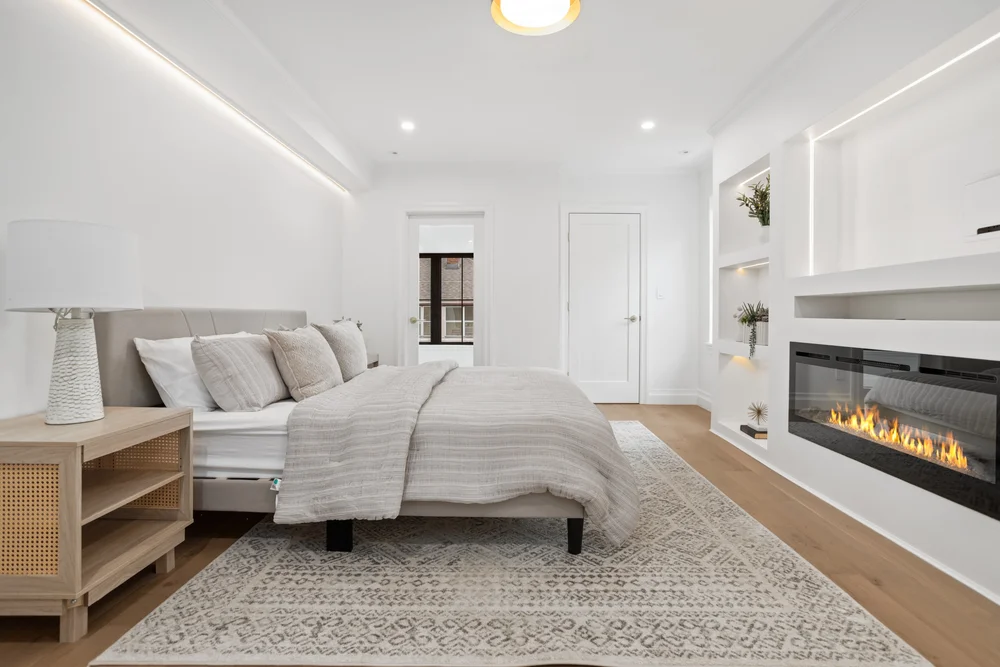
Moreover, consider the size and layout of your space. Wider planks tend to cost more, but you can achieve a similar visual impact by choosing narrower planks with a bold grain pattern. This can create a sense of expansiveness while keeping costs in check.
Lastly, don't overlook engineered hardwood as a viable alternative. It often provides the same aesthetic appeal as solid hardwood but at a more affordable price. Engineered hardwood can be particularly suitable for areas with high moisture levels, such as kitchens and bathrooms, ensuring both functionality and style.
By meticulously assessing these aspects, residential homeowners planning kitchen, bathroom, or home renovation projects, as well as professional builders and developers seeking reliable trade partners for construction timelines, can make informed decisions that ensure the hardwood flooring chosen not only meets decor aspirations but also aligns with budget considerations, ultimately contributing to a harmonious and cost-effective renovation project.
Selecting the appropriate color for your hardwood floors is crucial to complementing your interior decor. Consider the undertones of your fixed elements, like cabinetry and countertops, to ensure a cohesive look. A well-chosen hue can enhance the warmth and inviting atmosphere of your home, making it a sanctuary of style.
The finish of your hardwood flooring should harmonize with your room's lighting conditions. Glossy finishes can brighten up dim spaces but may show imperfections more easily. Matte finishes, on the other hand, can soften the look of a room with abundant natural light and hide scuffs better.
The grain pattern of your hardwood floors plays a significant role in the overall aesthetic. Bold grains can impart a rustic charm, while finer grains exude elegance. Assess the character and size of your room to decide on a grain that can either be a subtle backdrop or a statement feature in your decor.


When selecting hardwood floors, consider the overall style and color scheme of your home decor, the size and natural lighting of the rooms, the durability and maintenance requirements of different wood species, and the finish that will best complement your interior. Its also important to think about the long-term aesthetics and how the floors will age with your decor.
To ensure compatibility with both your kitchen and living room, opt for a neutral and versatile wood tone that coordinates with the cabinetry, furniture, and other design elements in both spaces. Consistency in wood type and finish can create a seamless transition between rooms, enhancing the overall flow of your home.
Lighting plays a crucial role in how hardwood floors blend with your decor. Natural and artificial light can alter the perception of wood tones and finishes. Its important to observe how different types of light affect the appearance of wood samples in your space at various times of the day, ensuring that the chosen floors will complement your decor under all lighting conditions.