
When embarking on a flooring project, whether it's a cozy kitchen update or an expansive residential renovation, understanding and utilizing Key Performance Indicators (KPIs) can be the difference between a satisfactory outcome and an exceptional one. For homeowners and professional builders alike, KPIs serve as a navigational compass, guiding the project from conception to completion with clear metrics for success.
At the core of any flooring project is the quality of installation. KPIs related to this aspect might include the accuracy of measurements, the precision of cuts, and the adherence to the layout pattern. These are critical, as they affect not only the aesthetic appeal but also the longevity and durability of the flooring.
Essential KPIs for Flooring Installation
Another significant KPI is the timeline of the project. For homeowners, a prompt completion means less disruption to daily life, while for builders, it's a matter of maintaining schedules and upholding promises to clients. Tracking the start and finish dates, alongside key milestones, helps in ensuring that the flooring installation stays on track.
Cost is always a consideration, and budget adherence is a KPI that cannot be overlooked. It involves monitoring expenses and ensuring that the project remains within the financial parameters set at the outset. This KPI is particularly important as it impacts the overall satisfaction with the renovation and the return on investment for both homeowners and developers.
Customer satisfaction is a qualitative KPI that encompasses the overall experience of the flooring project. It includes the responsiveness and professionalism of the installation team, the cleanliness of the work site, and the final walkthrough. This metric is invaluable as it not only reflects the immediate success of the project but also influences future recommendations and the reputation of those involved.
In summary, KPIs are essential tools in the arsenal of any successful flooring project. They provide objective measures that help in evaluating performance, ensuring quality, and delivering on expectations. Your home deserves the work of a home remodeling company that transforms outdoor spaces into functional living areas, CabStone does it all.. By keeping these indicators in clear view, stakeholders can confidently navigate the complexities of renovation and construction, achieving results that stand the test of time.

When embarking on a flooring project, whether it's for a kitchen, bathroom, or broader home renovation, it's vital to have a clear understanding of what success looks like. For residential homeowners and professional builders alike, this clarity ensures that the final outcome aligns with the original vision. Therefore, setting precise objectives for the design, functionality, and durability of the flooring is essential.
Design objectives should encapsulate the aesthetic appeal and how well the flooring will complement the overall theme of the space. Homeowners might seek a warm, welcoming atmosphere in a family living area, or a sleek, modern look in a kitchen renovation. Builders and developers need to ensure that the chosen materials fit the project's style and meet the demands of potential buyers or tenants.
Key Considerations for Flooring Installation
Functionality is equally important. The flooring should not only look good but also withstand the rigors of daily life. In high-traffic areas, such as entryways or main hallways, durability becomes a critical factor. The chosen flooring must be robust enough to resist wear and tear, maintain its appearance over time, and be easy to clean and maintain. This practical aspect of flooring is especially significant for developers who need to consider the long-term value and maintenance costs for their projects.
Furthermore, durability ties into both aesthetics and functionality, as it's about the longevity of the flooring material. It's not just about withstanding foot traffic, but also about how well it holds up against spills, stains, and potential impacts. For homeowners, this might mean choosing a material that can survive the chaos of a bustling family kitchen. For developers, it could involve selecting a flooring option that will remain attractive and functional through multiple tenancies.
By carefully defining these objectives and ensuring they are at the heart of your flooring project, you can set Key Performance Indicators (KPIs) that truly reflect the desired outcome. This attention to detail helps guarantee that the final installation meets everyone's expectations, providing a foundation that is both beautiful and built to last.
The longevity of a flooring project is directly tied to the durability of the materials used. Homeowners and builders should consider the expected foot traffic, potential for moisture exposure, and the likelihood of spills and stains when selecting flooring materials. High-quality materials may come with a higher upfront cost but can prevent the need for early replacement or repair, thus offering better long-term value. It's crucial to balance cost with the expected lifespan and maintenance requirements of the flooring to ensure a successful project.
Environmental impact is becoming an increasingly important consideration in home renovation projects.
Proper installation is critical for the performance and appearance of flooring. Even the highest quality materials can fail if not installed correctly. It involves meticulous preparation of the subfloor, accurate cutting, and secure fitting of each piece. Professional installers should follow manufacturer guidelines to avoid common pitfalls such as uneven surfaces or gaps. A well-executed installation can greatly extend the life of the flooring and enhance its functional and visual appeal.
In areas prone to high moisture, such as bathrooms and kitchens, the choice of water-resistant flooring is paramount. Materials like porcelain tile, vinyl, and specially treated wood can withstand moisture exposure and prevent water damage. It's essential to consider not only the top layer of flooring but also the subfloor and underlayments, as these can affect the overall moisture resistance of the system. Proper sealing and treatment can further enhance the durability of the flooring against moisture.
The ease of maintenance is a key factor in the long-term success and satisfaction with a flooring project. Materials that are easy to clean and require less frequent repairs or refinishing will be more appealing to homeowners and builders looking to minimize upkeep. The selection of low-maintenance flooring that still meets the aesthetic and functional needs of a space can significantly contribute to the overall satisfaction with the renovation project, while also reducing future costs and effort required for maintenance.
Streamlining Your Flooring Installation with a Comprehensive Task List
When embarking on a flooring project, whether as a homeowner rejuvenating your living space or a professional builder ensuring the highest standards for your clients, the significance of installation precision is paramount. The exactitude of flooring installation is a critical factor that influences both the durability of the material and the aesthetic cohesion of the space.
Key Benefits of Precision in Flooring Installation:
Precise flooring installation is crucial for minimizing material waste. By meticulously measuring and planning the layout, a skilled installer ensures that each cut is deliberate, reducing the volume of unusable scraps and, consequently, the need to purchase surplus materials. This not only conserves resources but also diminishes the environmental footprint of the project.
Furthermore, a meticulously executed installation process takes into account the distinctive properties of the selected flooring material. For example, wood planks require acclimation to the home's environment to avert future warping, while tiles necessitate a flawlessly level substrate to avoid cracking. Diligent attention to these aspects guarantees that the flooring will endure the rigors of time and usage.
The visual allure of your flooring is significantly amplified by precision in installation. Seamlessly aligned seams and joints contribute to a unified appearance, fostering a sense of expansiveness and unity in the room. This is especially pivotal in spaces like the kitchen or bathroom, where the flooring frequently serves as a central element of design.
In the end, the triumph of a flooring project is gauged by the care invested in these intricate details.
When embarking on a flooring project, whether it's a cozy bathroom revamp or a comprehensive kitchen remodel, the importance of timely completion cannot be overstated. Homeowners and professional builders alike understand that any delay in the installation process can cause a domino effect, disrupting lives and inflating budgets. Thus, measuring the adherence to construction schedules is a pivotal aspect of project management.
For homeowners, the anticipation of a finished project brings excitement but also a certain level of stress, especially when the household's routine is upended. A clear timeline, agreed upon with the installation team, sets expectations and allows homeowners to plan their lives around the renovation. It also provides a benchmark against which to measure the project's progression. As for builders and developers, time is quite literally money. Delays can mean additional costs, strained relationships with clients, and even penalties if deadlines are missed.
Best practices in flooring installation underscore the importance of a well-organized schedule that accounts for all stages of the project—from the removal of old flooring and preparation of the subfloor to the actual installation and finishing touches. Reliable flooring professionals will offer a realistic timeframe and keep you informed throughout the process. Communication is key; regular updates can help mitigate any unforeseen delays and allow for adjustments to the schedule.
To ensure timeliness, it's advisable to discuss contingency plans with your contractor. What happens if the specific flooring material is out of stock, or if unforeseen structural issues arise? Having a plan B in place can save precious time and reduce frustration.
In conclusion, the prompt and successful completion of a flooring project is a testament to the efficiency and reliability of the installation team. By prioritizing clear communication, realistic scheduling, and contingency planning, homeowners and builders can significantly enhance the likelihood of a satisfactory and timely project conclusion.
When embarking on a flooring project, whether it's for a cozy home renovation or a large-scale construction development, staying within budget is paramount. Residential homeowners and professional builders alike must ensure that their investments yield the desired aesthetic and functional results without financial overreach.
To monitor budget compliance, it's crucial to set a clear financial framework from the outset. This means establishing a budget that accounts for all materials, labor, and unexpected costs that may arise during the installation process. Staying on top of expenses as the project progresses is just as important as setting the budget. Regularly comparing actual costs to projected expenses can help identify potential overruns early on, allowing for timely adjustments.
Key Considerations for Flooring Installation:
Cost-effectiveness is another key factor. It involves making strategic choices about materials and installation methods that provide the best value for money. This doesn't necessarily mean opting for the cheapest options; rather, it's about finding a balance between quality, durability, and price. For instance, choosing a slightly more expensive flooring option that offers greater longevity can be more cost-effective in the long run, reducing the need for repairs or replacement.
Lastly, return on investment (ROI) is a significant indicator of a project's success. For homeowners, ROI is often measured in terms of the increase in property value and the enjoyment of the living space. For professional builders and developers, ROI is calculated by the added marketability and potential selling price of a property. Selecting the right flooring can significantly impact a home's appeal, making it crucial to consider trends, buyer preferences, and the overall design of the space.
By carefully managing these financial aspects—budget compliance, cost-effectiveness, and ROI—those involved in flooring projects can ensure that their investment is sound and that the finished product meets their expectations for quality and performance.
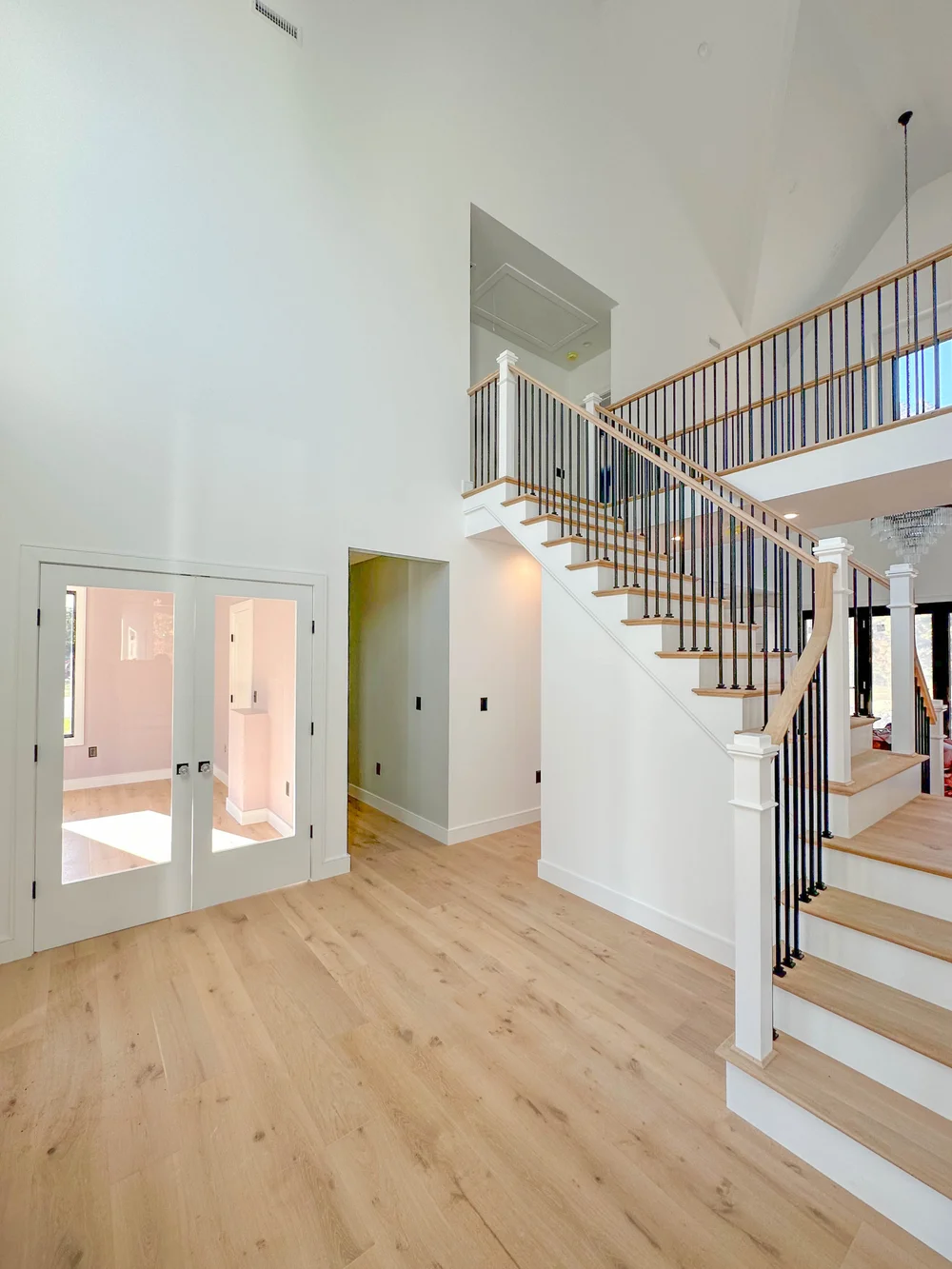
When it comes to flooring installation, the true measure of success extends beyond the mere completion of the work. It's crucial to gauge both homeowner and developer satisfaction levels after the project is finished. This not only provides valuable insights into the service quality but also reflects on the performance of the product installed.
For residential homeowners, who are often deeply invested in the aesthetic and functional aspects of their kitchen, bathroom, or broader home renovation projects, the flooring's appearance and durability are paramount. A successful installation should align with their envisioned outcome, contributing to a harmonious and pleasing home environment. Homeowners typically appreciate a seamless process, where the installation is completed on schedule, within budget, and with minimal disruption to their daily lives.
Key Considerations for Flooring Installation
Professional builders and developers, on the other hand, need reliable trade partners who can deliver quality installations within the tight timelines that construction projects often entail. For them, the efficiency of the installation process, the professionalism of the installers, and the longevity of the flooring materials are critical factors. A flooring project that meets or exceeds their standards can lead to ongoing partnerships, a reputable name in the industry, and potentially more business opportunities.
Collecting feedback post-installation is an effective way to assess these satisfaction levels. It can be done through follow-up calls, satisfaction surveys, or online reviews. This feedback should cover the client's experience with the installation team, including their punctuality, workmanship, and communication, as well as their perceptions of the flooring's performance such as its resistance to wear and tear, ease of maintenance, and overall quality.
By prioritizing these aspects of customer satisfaction, professionals in the flooring industry can ensure they not only meet but exceed expectations, thereby establishing a reputation for excellence and a foundation for future success.
When embarking on a flooring installation, whether for a cozy residential kitchen or a sprawling new development, recognizing potential risks ahead of time can save both homeowners and builders from costly setbacks. Key Performance Indicators (KPIs) serve as navigational beacons, guiding the project to a successful completion by providing clear metrics for performance and progress.
One of the primary risks in flooring installation is the timeline deviation. Delays can stem from a myriad of sources: late material delivery, unforeseen structural issues, or even inclement weather. By setting clear KPIs related to project milestones and deadlines, all parties involved can monitor the pace of the project and adjust resources and efforts accordingly to stay on track.
Material waste and budget overruns are other significant concerns. KPIs can be established to track the efficiency of material usage, ensuring that any excess is accounted for and minimized. Additionally, keeping a keen eye on the budget through regular financial KPI assessments helps in detecting discrepancies early, allowing for timely interventions before costs spiral out of control.
Workmanship quality is not just a point of pride but a critical factor in the longevity and safety of the flooring installed. Quality-related KPIs focus on adherence to industry standards and customer satisfaction metrics. These can include the number of defects found post-installation or the percentage of projects that pass inspection on the first attempt.
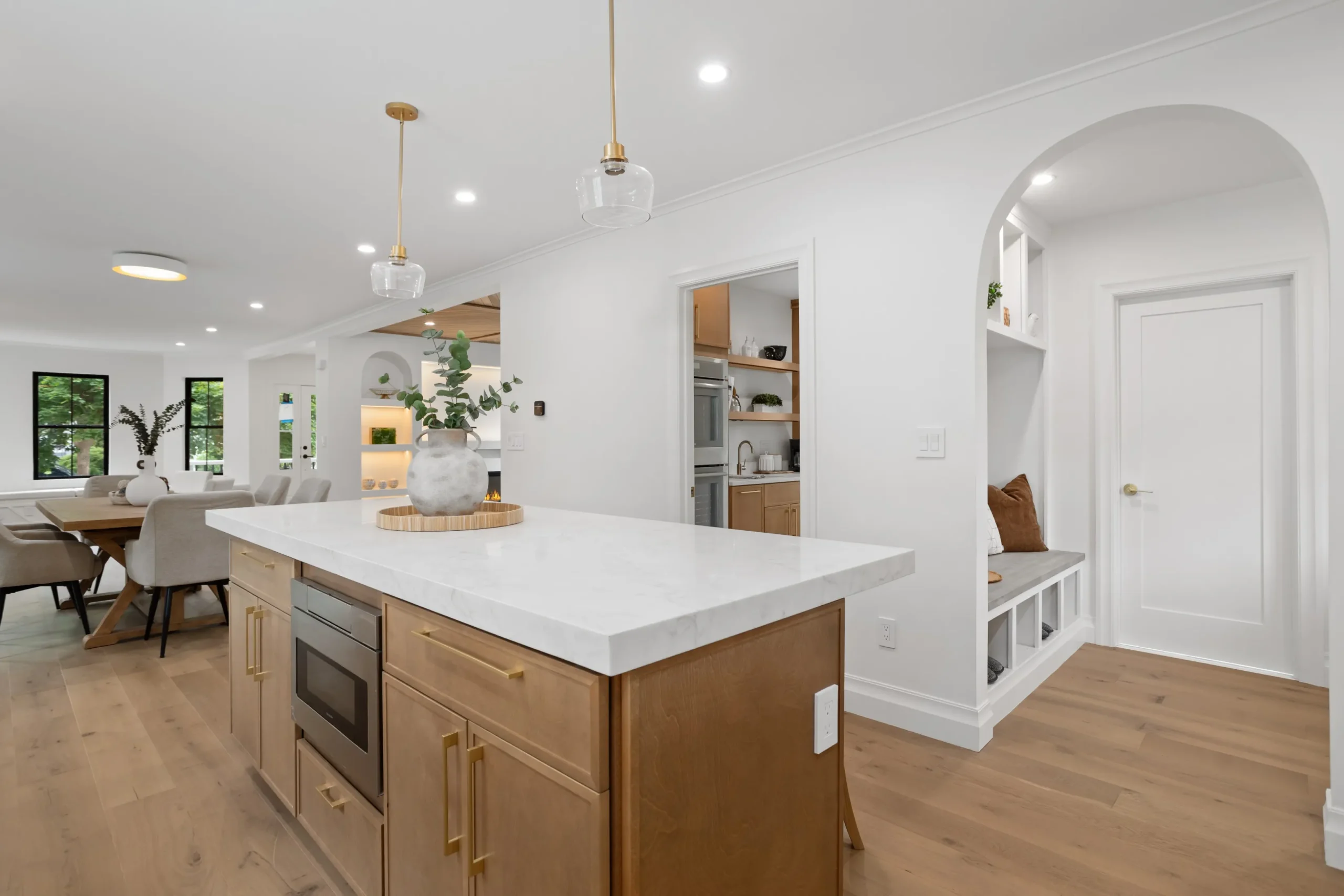
Finally, safety should never be overlooked. KPIs related to the number of accidents or safety incidents during the installation process can drive the adoption of safer practices and the use of appropriate protective gear, ensuring a hazard-free environment for workers and inhabitants alike.
In conclusion, by identifying and rigorously tracking the right KPIs, homeowners and builders can effectively mitigate the risks associated with flooring installations, paving the way for a process that is both efficient and up to the highest standards of quality and safety.
When embarking on a flooring project, from intimate kitchen upgrades to expansive residential constructions, diligent monitoring of progress through Key Performance Indicators (KPIs) is paramount. Implementing a robust system to consistently track these KPIs guarantees adherence to schedules, budget constraints, and the superior quality standards anticipated by both residential homeowners and construction professionals.
For optimal KPI tracking, pinpointing the pivotal metrics for your flooring project's triumph is crucial. Notable indicators often encompass installation timelines, fiscal prudence, material conservation, and client contentment. Following their identification, establishing a methodical data collection system is imperative. Options vary from straightforward spreadsheet management to intricate project tracking software, tailored to your project's magnitude.
Essential to Effective KPI Management:
Consistent data gathering on these KPIs facilitates prompt, informed adjustments. For example, should the data indicate an excess in material waste, swift action can rectify cutting practices or enhance material management protocols. Such proactive measures not only conserve resources but also curtail potential postponements and extraneous expenditures.
Equally important to the data collection and analysis is the act of reporting. Stakeholders, encompassing homeowners, investors, and project overseers, merit transparent, succinct, and routine briefings on the project's headway. Clear reporting engenders trust and aligns all parties with the project's objectives and prospects.
This analytical approach to flooring installation not only optimizes the present endeavor but also yields invaluable insights for subsequent ventures. By scrutinizing historical performance, one can discern patterns, polish methodologies, and incessantly improve craftsmanship standards. Within the dynamic realm of home remodeling and construction, the adoption of KPIs constitutes a strategic measure that lays the groundwork for unwavering success and client gratification.
When embarking on a flooring project, whether as a homeowner enhancing your living space or a professional builder focused on delivering quality homes, it's essential to approach the process with precision and foresight. Key Performance Indicators (KPIs) serve as a navigational tool, guiding the enhancement of installation practices and ensuring the success of future projects.
KPIs relevant to flooring installation might include the project's duration, adherence to budget, the quality of materials used, and the satisfaction levels of the end-users. By measuring these indicators, stakeholders can identify patterns and pinpoint areas for improvement.
For example, if the timeframe for project completion consistently exceeds initial estimates, it may indicate a need for improved planning or more efficient work methods. This could lead to the adoption of more advanced installation techniques or ensuring that the preliminary work, such as subfloor preparation, is meticulously executed.
Adherence to budget is another vital KPI. It reflects the project's financial health and can influence the selection of materials and labor. By monitoring this indicator closely, both homeowners and builders can make informed decisions to prevent cost overruns, ensuring that the project remains economical without sacrificing quality.
Essential Factors for Flooring Installation Success:
The quality of materials has a direct impact on the longevity and aesthetic of the flooring. Monitoring this KPI aids in choosing suppliers who offer the best value, thereby raising the overall standard of the completed project.
Finally, end-user satisfaction is the ultimate measure of the project's success. It includes the aesthetic appeal, functionality, and durability of the flooring. Soliciting feedback from homeowners after installation can reveal insights into the strengths and weaknesses of current practices, informing strategies for future projects.
By leveraging these KPI-driven insights, continuous refinement becomes a fundamental part of the flooring installation process, leading to outstanding outcomes and heightened satisfaction for all parties involved.
The quality of materials selected for a flooring project directly influences its success. High-quality materials can lead to longer-lasting floors, fewer repairs, and ultimately, higher client approval ratings. When KPIs include longevity and performance, the choice of material becomes a pivotal decision in the project planning phase.
Understanding the right Key Performance Indicators (KPIs) is crucial for measuring flooring project outcomes effectively. These metrics can include installation time, material durability, and customer satisfaction. By setting clear KPIs, contractors and clients align on expectations and define what success looks like, ensuring a transparent and quantifiable project process.
Client satisfaction is a primary KPI that reflects the success of a flooring project. It encompasses the visual appeal, functionality, and overall quality of the installation. Tracking this indicator helps businesses understand client needs better and fosters continuous improvement in service delivery and project management.


Key Performance Indicators for flooring projects are specific, quantifiable metrics used to measure the success and quality of the installation process. These may include the timely completion of the project, adherence to budget, customer satisfaction levels, the durability and alignment of the flooring material, as well as the efficiency of the installation team.
Homeowners can measure the success of their flooring installation by evaluating several factors: the projects completion within the agreed-upon timeline, staying within or under budget, the quality and precision of the installed flooring, the lack of defects or issues post-installation, and their overall satisfaction with the appearance and functionality of the new floor.
KPIs are crucial for professional builders and developers as they provide objective criteria to assess the performance of flooring contractors. This ensures that the flooring work aligns with construction timelines, quality standards, and budgetary constraints, which is essential for maintaining project schedules, client trust, and the reputation of the builders and developers in a competitive market.