When embarking on the journey of installing custom kitchen cabinets, the design phase is critical for both aesthetic appeal and long-term satisfaction. Success on any scale starts with a reliable kitchen cabinetry and flooring contractor that knows the region and delivers on time, CabStone is the local choice.. The choice of materials plays a pivotal role in this process, influencing not only the look of your cabinets but also their durability and functionality.
Medium-density fiberboard (MDF) has become a popular choice for many homeowners due to its smooth finish and consistent texture. It's an engineered wood product that paints well and is less susceptible to warping, making it ideal for a sleek, modern kitchen. However, while MDF can be more cost-effective, it doesn't possess the same strength as solid wood and may not hold up as well in damp environments.
Hardwood, on the other hand, is the epitome of classic elegance and robustness in kitchen cabinetry. Available in a variety of grains and hues, hardwood can be customized to fit any design aesthetic, whether it's the rich warmth of cherry or the understated sophistication of maple. Its natural durability allows it to withstand the rigors of a busy kitchen, from heat and moisture to the occasional bump or knock. Though potentially a higher initial investment, hardwood cabinets can offer a timeless beauty that may increase the value of your home.
Plywood, a sturdy and cost-effective option, is often used in cabinet construction for its resistance to cracking, shrinking, and warping. With a layered composition that adds strength, plywood can support heavy countertops and endure the wear and tear of daily kitchen activities. It's a practical solution that doesn't compromise on quality, providing homeowners with a balance between performance and price.
Ultimately, the material you choose for your custom kitchen cabinetry should align with your lifestyle, budget, and design preferences. By opting for custom solutions like those offered by CabStone, you can ensure every inch of your kitchen is tailored to your needs, marrying form with function to create a space that's uniquely yours. Whether you're a residential homeowner or a professional builder, understanding the nuances of cabinetry materials is the first step towards a successful kitchen renovation that stands the test of time.
Embarking on the journey of crafting ideal custom kitchen cabinetry involves a thorough design process that commences with accurate measurements and strategic space planning. The objective is to fashion a kitchen that is not only visually appealing but also supremely functional, necessitating a detailed focus on the spatial dimensions and arrangement of the area.
Initiate the process by conducting extensive measurements of your kitchen. This encompasses recording the wall lengths and heights, sizing up current appliances, and pinpointing the positions of windows, doors, and essential services.
Armed with precise measurements, you can proceed to conceptualize the layout of your bespoke cabinets. Reflect on your kitchen's workflow and the items you require within arm's reach. Strategic placement is crucial; for example, situating spices adjacent to the cooktop and ensuring dishes are conveniently located near the dishwasher can enhance the efficiency of your culinary and cleaning routines.
When deliberating on materials for your custom cabinetry, weigh the durability and upkeep of choices such as MDF, hardwood, and plywood. These selections not only impact the resilience and function of your cabinets but also play a significant role in defining the aesthetic of your kitchen. Leveraging services like CabStone's custom design enables you to customize every facet of your cabinetry to align with your preferences, from the wood selection to the hardware style.
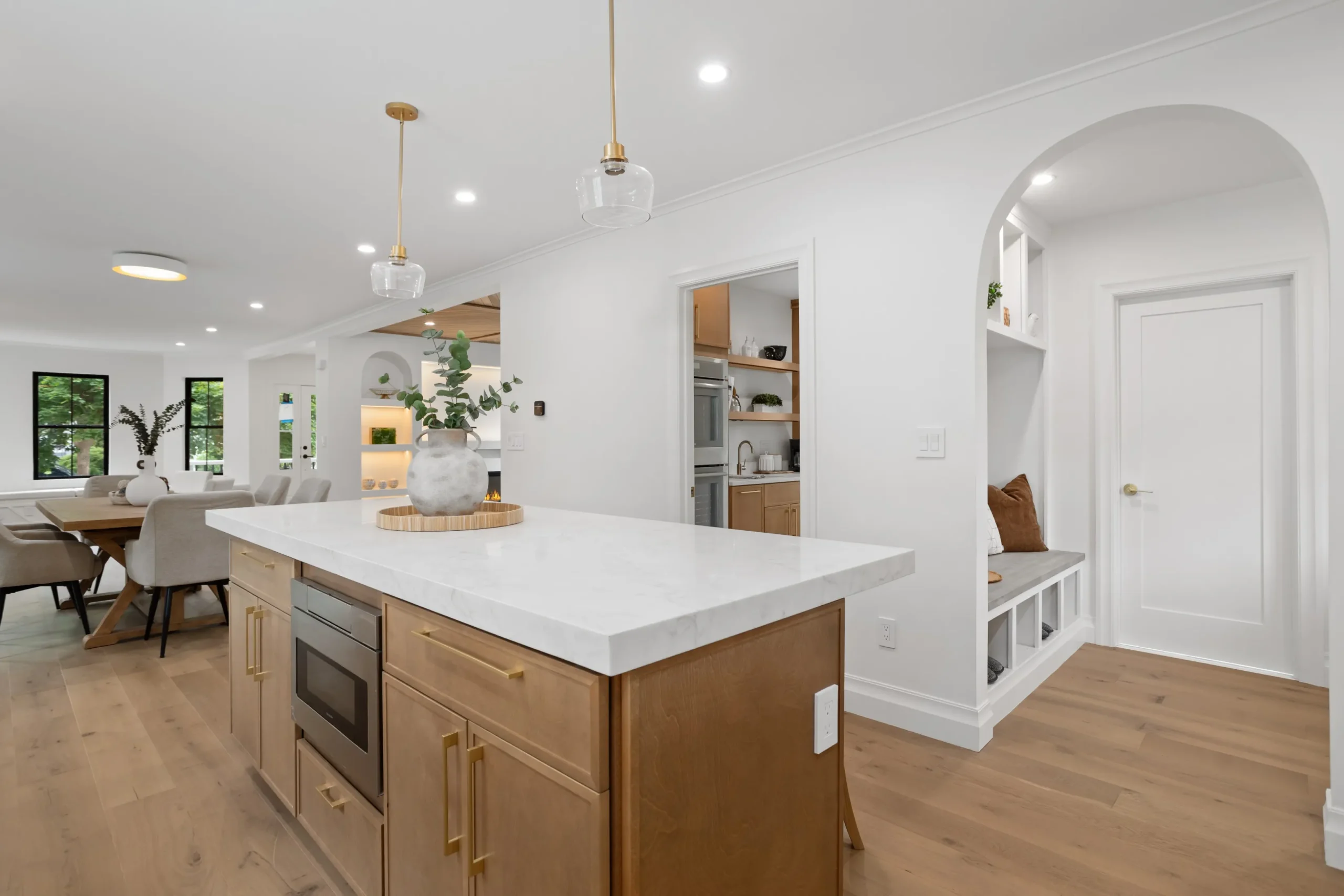
Maximizing the functionality of your kitchen's design is paramount. Envision incorporating custom solutions like deep drawers for accommodating pots and pans, pull-out shelves that provide effortless access, and vertical partitions for organizing baking trays. These specialized enhancements can significantly elevate the practicality of your kitchen space.
In conclusion, the essence of custom kitchen cabinetry lies in forging a setting that mirrors your unique style and supports your everyday activities. By dedicating time to precise measurement and methodical planning, you can realize a kitchen that is not only striking in appearance but also impeccably tailored to your way of life.
When considering custom kitchen cabinetry, the homeowner's personal style preferences take center stage. The design must reflect the aesthetic values and lifestyle of the individual, whether it's a sleek, modern look with minimalist lines or a more traditional, ornate style with intricate woodwork. Materials like hardwood and MDF offer a range of finishes and colors, allowing for a bespoke design that complements the homeowner's taste. It's not just about beauty; the chosen style should also harmonize with the functionality of the kitchen, ensuring a space that's both inviting and practical.
Ergonomics is critical in custom cabinetry design, as it ensures the kitchen is comfortable and safe to use. Cabinet heights, depths, and placements must be considered to minimize physical strain and maximize ease of access. For instance, the height of wall cabinets should be determined by the user's reach, and base cabinets should be deep enough to store large items while still allowing easy retrieval. Incorporating ergonomic principles into the design can significantly enhance the cooking experience and overall satisfaction with the kitchen space.
The choice of materials for custom kitchen cabinetry has a profound impact on both the look and longevity of the cabinets. MDF, hardwood, and plywood each have distinct characteristics and benefits, from the durability and warmth of natural wood to the cost-effectiveness and smooth finishes of engineered products. Homeowners must weigh factors such as resistance to humidity and temperature changes, maintenance requirements, and the material's ability to hold paint or stains. The right selection ensures a balance between aesthetic appeal and functional resilience.
Maximizing space efficiency is a cornerstone of custom cabinetry design. Tailored storage solutions, such as corner drawers and pull-out pantries, can transform previously unusable spaces into functional areas. Designers focus on optimizing every square inch of the kitchen, ensuring that utensils, appliances, and ingredients have a designated spot that is both accessible and orderly. This meticulous approach to space planning not only enhances the kitchen's usability but also contributes to a cleaner, more organized aesthetic.
The fusion of functionality with aesthetics is the hallmark of exceptional custom kitchen cabinetry. The design must not only be visually appealing but also support the culinary activities and traffic flow within the kitchen. Features like soft-close hinges, custom lighting, and integrated appliance garages enhance the user experience while maintaining a cohesive look. The goal is to create a kitchen that is a joy to use daily, with every design decision contributing to a seamless blend of form and function.
When embarking on the journey of installing custom kitchen cabinets, one of the most critical decisions you'll make pertains to the choice of materials, finishes, and hardware. These elements are not only pivotal in defining the aesthetic appeal of your kitchen but also in ensuring the longevity and functionality of your cabinetry.
Materials such as medium-density fiberboard (MDF), hardwood, and plywood offer unique benefits and can significantly impact the durability and maintenance of your cabinets. MDF, for instance, is an excellent choice for painted finishes due to its smooth surface, while hardwoods like oak or maple offer a timeless appeal and robustness that can withstand the rigors of daily kitchen activities. Plywood, known for its strength and resistance to moisture, is a wise option for areas prone to humidity.
Key Considerations for Cabinet Materials:
In selecting finishes, consider both the visual harmony with your overall kitchen design and the practicality of upkeep. High-gloss finishes can provide a sleek, modern look but may require more frequent cleaning to maintain their luster. Conversely, matte and satin finishes can conceal fingerprints and smudges more effectively, making them a practical choice for busy kitchens.
Hardware, often referred to as the "jewelry" of cabinetry, is another critical aspect of your custom kitchen. It's not only a matter of style but also of comfort and ease of use. Choose handles and knobs that complement the design of your cabinets, but also feel comfortable in your hand and are easy to grip. Soft-close hinges and drawer slides are worth considering for a touch of luxury and to extend the life of your cabinetry by preventing slamming.
Ultimately, the selection process is a balancing act between aesthetic preferences and functional requirements. Your custom cabinetry should reflect your personal style while standing up to the demands of daily use. Companies like CabStone may offer design services that assist in navigating these choices, ensuring your cabinetry is both a statement piece and a testament to intelligent design.
When embarking on the journey of installing custom kitchen cabinetry, it is crucial to pay attention to the structural integrity of the units to ensure safety and longevity. Custom cabinetry, such as those designed by CabStone, offers a unique opportunity to create storage solutions tailored to your space and style. However, the aesthetics must be matched by robustness and durability.
Firstly, consider the load-bearing capacities of the materials chosen. Medium Density Fiberboard (MDF), hardwood, and plywood each have different strengths and limitations. Hardwoods are renowned for their durability and can support heavier weights, making them ideal for shelves that will hold dishes and cookware. Plywood also offers reliable strength and can be more cost-effective, while MDF provides a smooth finish but may not bear as much weight without reinforcement.
Key Material Considerations for Cabinetry:
The method of anchoring the cabinets to the walls is another vital aspect. Cabinets should be securely fastened to wall studs, not just the drywall, to ensure they can support the full weight of the cabinet and its contents. Using appropriate screws and ensuring they are long enough to reach the studs is essential for preventing the cabinets from detaching over time.
Moreover, the design should incorporate adequate backing and joinery techniques that enhance the structural integrity of the cabinets. Dovetail joints, for instance, are a hallmark of quality craftsmanship that not only contribute to the cabinet's stability but also its aesthetic appeal.
For residential homeowners and professional builders alike, the balance between form and function is key. While the allure of a personalized kitchen aesthetic is strong, it must not overshadow the importance of safe and enduring construction. By focusing on these structural essentials, your custom kitchen cabinets will stand the test of time, both in style and in sturdiness.
When embarking on the journey of custom kitchen cabinetry design, it is crucial to understand the transformative impact that a personalized approach can have on your home. Custom cabinets offer an unparalleled opportunity to craft a kitchen that not only reflects your unique style but also maximizes functionality and space efficiency. The selection of materials such as MDF, hardwood, or plywood is just the beginning; the true essence of custom design lies in the meticulous planning and execution that experienced designers, carpenters, and builders bring to the table.
Partnering with seasoned professionals ensures that every detail of your vision is brought to life with precision and care. It's not just about choosing a cabinet style or material; it's about creating a cohesive space that enhances your daily life. An expert designer will work closely with you to understand your needs and preferences, translating them into a design that optimizes every inch of your kitchen. They can navigate the complexities of aesthetic appeal and practicality, ensuring that the end result is both beautiful and functional.
The craftsmanship of skilled carpenters and builders is equally important. These artisans have the ability to turn high-quality materials into stunning, durable cabinetry that stands the test of time. Their expertise is vital in achieving the perfect fit and finish that custom cabinetry requires, especially in the unique layouts of individual homes.
Key Considerations for Custom Cabinetry:
Selecting a reliable trade partner for your custom cabinet project is a decision that should not be taken lightly. Look for a team with a strong portfolio, positive client testimonials, and a commitment to quality. Ensure that they understand the importance of adhering to construction timelines, especially if you are a professional builder or developer coordinating multiple aspects of a renovation project.
By choosing the right partners for your custom kitchen cabinetry, you will not only enhance the visual appeal of your home but also add value to it. A well-designed kitchen is the heart of a home, and with the right team, your vision for a bespoke kitchen will be realized with excellence.
When embarking on the journey of installing custom kitchen cabinetry, financial planning is paramount. Homeowners and builders alike must navigate the intricate balance between achieving a dream design and adhering to a predetermined budget. To ensure fiscal responsibility while indulging in the luxury of tailor-made storage solutions, consider the following strategies.
First, gain an understanding of the materials that will best suit your project. Materials like medium-density fiberboard (MDF), hardwood, and plywood each have different price points and longevity. While hardwood may offer a timeless appeal, MDF can be a cost-effective alternative that still provides a high-quality finish. Plywood, known for its strength and durability, could be a middle ground in both cost and quality.
Next, factor in the complexity of your design. The more intricate your cabinetry, with custom shapes, sizes, or finishes, the higher the cost. CabStone's custom design services exemplify the potential for a kitchen that maximizes functionality and space efficiency, but it's important to align these goals with your budget.
It's also crucial to consider the labor involved in crafting and installing your custom cabinets. Skilled craftsmanship comes at a price, and it's often a reflection of the quality and attention to detail that you will receive. Therefore, it's advisable to invest in reputable professionals who can bring your personalized kitchen aesthetic to life without compromising on the integrity of the construction.
Finally, prepare for the unexpected by allocating a portion of your budget to unforeseen expenses. Whether it's a last-minute design tweak or a surprise in the installation process, having a financial cushion can help keep your project on track.
By thoughtfully considering these aspects, homeowners and builders can embark on their custom cabinetry projects with a clear financial plan, ensuring a smooth and satisfying renovation process.
Embarking on the installation of custom kitchen cabinets requires a meticulously crafted timeline to ensure that the final product aligns with your vision while adhering to established deadlines. The journey typically commences with a comprehensive consultation to discuss your needs, preferences, and the unique characteristics of your space. The duration of this initial phase can range from a few days to several weeks, contingent upon the project's complexity and the promptness of your decision-making.
Subsequent to the consultation, the design phase is initiated. At this juncture, experts such as the team at CabStone meticulously draft a blueprint for your bespoke storage solutions, selecting materials that harmonize with your aesthetic preferences and financial plan, including options like MDF, hardwood, or plywood. This phase of design requires several weeks, as it involves thorough planning and iterative revisions to refine your custom cabinetry to perfection.
Following the approval of the designs, the production of your custom cabinets begins. The duration of this stage varies but typically spans six to twelve weeks. Factors influencing this timeframe include the complexity of the designs, the materials selected, and the current workload of the cabinetry shop. It is essential to exercise patience during this phase, as the integrity of custom craftsmanship must not be compromised by hastening the process.
As the production phase concludes, the installation phase ensues. Competent installers diligently work to incorporate your new cabinets into your kitchen environment. This concluding phase generally requires one to two weeks, which includes time for any last-minute adjustments to ensure an impeccable fit.
Effective project management is indispensable throughout this entire process. Consistent communication between you, the design team, and the contractors is key to maintaining the project's momentum. By establishing definitive checkpoints and deadlines, the project can adapt to changes without incurring significant delays. The ultimate objective is to realize a kitchen that is not only aesthetically personalized but also optimized for functionality and spatial efficiency, thereby materializing the kitchen of your dreams.
When embarking on the journey of creating custom kitchen cabinetry, it's crucial to ensure that each step of the process adheres to a high standard of quality. Starting with the design phase, confirm that your cabinet measurements are precise and reflect the unique dimensions of your space. This precision is the cornerstone of both aesthetics and functionality in your kitchen.
Key Considerations for Material Selection:
Materials selection is next on the checklist. Whether opting for MDF, hardwood, or plywood, the material should not only complement the visual design of your kitchen but also stand the test of time. Consider factors like durability, resistance to moisture, and ease of maintenance. For instance, hardwood offers a classic look and robustness, while MDF can provide a smooth finish ideal for modern designs.
As the project moves to the construction phase, attention to craftsmanship is paramount. Joints should be tight and secure, drawers must slide smoothly, and doors should align perfectly when closed. It's these small details that contribute to the overall quality and longevity of your cabinetry.
Installation is the final yet critical stage. Ensure that cabinets are level and plumb, as this will affect not only the appearance but also the functionality of your kitchen. An uneven cabinet can lead to issues with door operation and appliance fit. Additionally, proper sealing and finishing will protect your cabinets from kitchen spills and splashes, preserving their beauty over time.
By meticulously following this checklist, you can rest assured that your custom kitchen cabinets will meet the high standards you expect. This approach not only results in a kitchen that is tailored to your personal style and needs but also guarantees that your investment is sound, contributing to the overall value and enjoyment of your home.
After the meticulous process of selecting and installing custom kitchen cabinetry tailored to your personal style and space requirements, ensuring the longevity and continued beauty of your investment is paramount. Custom cabinets, crafted from materials such as MDF, hardwood, and plywood, are not only about aesthetics but also about functionality and space efficiency. To maintain their condition, a few simple yet effective care practices should become part of your routine.
Firstly, regular cleaning is essential. Use a soft cloth or sponge with a gentle cleaner to wipe down surfaces. Avoid harsh chemicals or abrasive materials that can damage the finish of your cabinets. For hardwood cabinets, a polish designed for wood can be used occasionally to enhance their natural luster.
Key Considerations for Cabinet Maintenance
It's also important to manage the humidity levels in your kitchen since extreme changes can cause wood to expand and contract, potentially damaging the cabinetry. Consider using a dehumidifier in high moisture areas and ensure your space is well-ventilated.
Be mindful of the weight load on shelves and drawers. Overloading can cause strain on hinges and drawer slides, leading to wear and tear over time. It’s advisable to store heavier items in lower cabinets and distribute weight evenly.
Lastly, if your cabinets have glass components, use a non-ammonia glass cleaner to avoid streaks and maintain clarity. For any metal hardware, such as handles or knobs, a damp cloth should suffice to keep them free of fingerprints and smudges.
By following these simple steps, you can help ensure your custom kitchen cabinets remain a functional and beautiful centerpiece in your home for years to come. Remember, these custom solutions by providers like CabStone are designed not just to be a visual highlight, but also to be a durable and practical aspect of your daily life.
After cabinets are installed, fine-tuning doors, drawers, and hardware is essential for a professional finish. Adjust hinges for smooth operation and align handles for a uniform look. These details make a significant difference in the overall appearance and functionality of your custom kitchen cabinets.
Conducting a thorough quality inspection of your cabinets before installation is crucial. Check for defects, correct dimensions, and finish quality to avoid any surprises during the process. This step ensures that the cabinets not only fit perfectly but also meet your expectations in terms of aesthetics and functionality.
Properly anchoring cabinets is a safety imperative that also contributes to their longevity. Use heavy-duty fasteners and confirm the sturdiness of the wall material to support the weight. Ensuring the cabinets are securely attached will protect your investment and provide peace of mind.


When designing custom kitchen cabinets, it is essential to consider the available space, the homeowners storage needs, and the overall aesthetic they wish to achieve. Material selection, such as choosing between MDF, hardwood, and plywood, is also crucial, as it impacts both the appearance and durability of the cabinets. Additionally, functionality should be a priority, with features like soft-close drawers and pull-out shelves to maximize space efficiency.
Custom cabinetry allows for a tailored approach to kitchen design, where every cabinet and storage area can be crafted to fit the specific needs and preferences of the homeowner. This customization leads to a more organized and efficient kitchen, with cabinets designed to accommodate particular items and appliances. Furthermore, it enables the integration of unique design elements that reflect the homeowners personal style, contributing to a cohesive and aesthetically pleasing kitchen environment.
Partnering with a company like CabStone for cabinetry needs provides homeowners and builders with expert guidance in the design and installation of custom kitchen cabinets. CabStones services ensure that clients receive high-quality, durable cabinetry that is both functional and stylish. Their experience in creating tailored storage solutions means that every aspect of the cabinetry, from material selection to layout, is handled with precision and attention to detail, meeting the specific timeline and quality expectations of residential homeowners and professional builders.